Core benefit
Field water distribution. This is the buyer’s intended outcome, not a performance guarantee.

Describe the source, field layout and route before choosing a pipe. Build a practical requirement brief around where the water starts and where it needs to go.
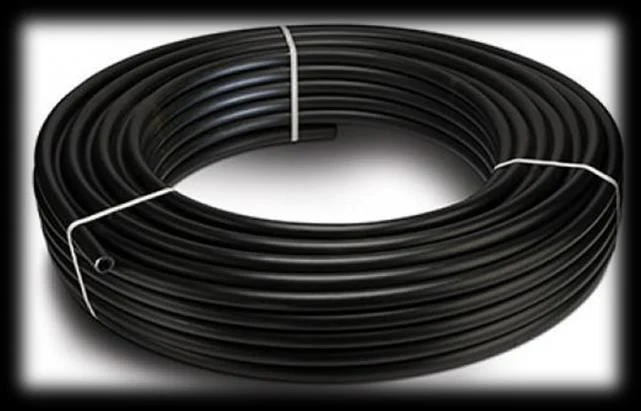 Lotus HDPE pipe coil
| Product | Nominal size (mm) | Standard reference | What to specify |
|---|---|---|---|
| PVC-U pressure pipe | 63, 75, 90, 110, 140, 160, 200 | IS 4985:2021 | Class 1–6 selection. Specify design pressure and socket. |
| HDPE PE100 | 63, 90, 110 | IS 4984:2016 | Specify SDR or PN, and the fusion or fitting system. |
Nominal size, DN and actual outside diameter are separate dimensions. Confirm the exact size, tolerances, current availability and any certification required for your destination before ordering.
Lotus can quote catalogue sizes and review custom dimensions against your project requirements. Send the destination country, standard and edition, nominal size or actual OD, wall thickness or class, length, joint and quantity. For screens, include the slot width and pattern.
Request a size or custom quote →Current sizes, specifications and availability require confirmation. The source PDF has creation/modification metadata dated 5 October 2018 and no printed edition date. Its later upload does not establish a newer specification.
| Nominal OD mm | Class 1 wall min–max mm | Class 2 wall min–max mm | Class 3 wall min–max mm | Class 5 wall min–max mm |
|---|---|---|---|---|
| 20 | — | — | — | 1.1–1.5 |
| 25 | — | — | — | 1.4–1.8 |
| 32 | — | — | — | 1.8–2.2 |
| 40 | — | — | 1.4–1.8 | 2.2–2.7 |
| 50 | — | — | 1.7–2.1 | 2.8–3.3 |
| 63 | — | 1.5–1.9 | 2.2–2.7 | 3.5–4.1 |
| 75 | — | 1.8–2.2 | 2.6–3.1 | 4.2–4.9 |
| 90 | 1.3–1.7 | 2.1–2.6 | 3.1–3.7 | 5.0–5.7 |
| 110 | 1.6–2.0 | 2.5–3.0 | 3.7–4.3 | 6.1–7.1 |
| 125 | 1.8–2.2 | 2.9–3.4 | 4.3–5.0 | 6.9–8.0 |
| 140 | 2.0–2.4 | 3.2–3.8 | 4.8–5.5 | 7.7–8.9 |
| 160 | 2.3–2.8 | 3.7–4.3 | 5.4–6.2 | 8.8–10.2 |
| 180 | 2.6–3.1 | 4.2–4.9 | 6.1–7.1 | 9.9–11.4 |
| 200 | 2.9–3.4 | 4.6–5.3 | 6.8–7.9 | 11.0–12.7 |
| 225 | 3.3–3.9 | 5.2–6.0 | 7.6–8.8 | 12.4–14.3 |
| 250 | 3.6–4.2 | 5.7–6.5 | 8.5–9.8 | 13.8–15.9 |
| 280 | 4.1–4.8 | 6.4–7.4 | 9.5–11.0 | 15.4–17.8 |
| 315 | 4.6–5.3 | 7.2–8.3 | 10.7–12.4 | — |
| Class | MPa | kg/cm² |
|---|---|---|
| 1 | 0.25 | 2.5 |
| 2 | 0.4 | 4 |
| 3 | 0.6 | 6 |
| 5 | 1.0 | 10 |
Source: Lotus all-types catalogue, page 4 · PDF metadata: 5 October 2018. Historical standard references are catalogue statements, not verification of current certification, compliance or live stock.
From the job the pipe needs to do, to the product you select, to the preparation and terms around it.
Field water distribution. This is the buyer’s intended outcome, not a performance guarantee.
Lotus agri pipes. Confirm dimensions, pressure/class, connections, finish, markings and packing against the selected product data.
Use the size and specification section as the starting point for item-level confirmation.
Available on this site: a guided, copyable product-specific requirement brief.
Readiness checklists & planned customer support →
Discuss and confirm with the quotation: installation-related support, delivery arrangements, any credit terms, warranty and after-sales support.
The value model describes the factors to consider before ordering. Service and commercial categories shown here are discussion points, not statements that Lotus provides them. Project-specific support, specifications and supply terms are confirmed in the quotation.
A proposed customer-experience journey, not a service-level commitment.
You need a pipe requirement that fits the water source and field layout.
Distance, elevation, crop use and distribution points shape the enquiry.
Share source and route details in a section-wise requirement brief.
Request confirmed product options, quantities, documents and supply scope.
A field-specific brief that makes the product conversation and quotation clearer.
An agricultural pipe enquiry starts with the field, not just the diameter. The source, distance, elevation changes and intended distribution points give your project team the context needed to discuss a fit-for-purpose line. A clearer brief also makes quantities and quotation scope easier to compare.
Build your requirement brief →A guided, copyable brief. You choose when to share the brief.
Note the water source, pump details if known, crop or irrigation use, field sections and distribution points. Describe the proposed route and approximate distance.
Record elevation changes, above-ground or buried installation, operating requirements and connections. Discuss the required diameter and class using the site’s actual conditions.
Prepare section-wise pipe lengths, fittings and connection quantities. Request confirmation of product options, supporting data and what is included in the quotation.
Project-specific support, specifications and supply terms are confirmed in the quotation.
Agricultural water conveyance and irrigation planning, with product selection based on the actual site conditions.
This is an enquiry checklist, not a technical datasheet. Exact product availability and specifications need confirmation.
| Water source | Describe where the water comes from and how it will be moved. |
|---|---|
| Route & installation | Share route length, elevation changes and above-ground or buried use. |
| Operating requirement | Provide the required diameter and operating pressure/class. |
| Site details | Include the village or district, state and quantities required. |
Use the product-specific prompts, then copy, download or share your brief.
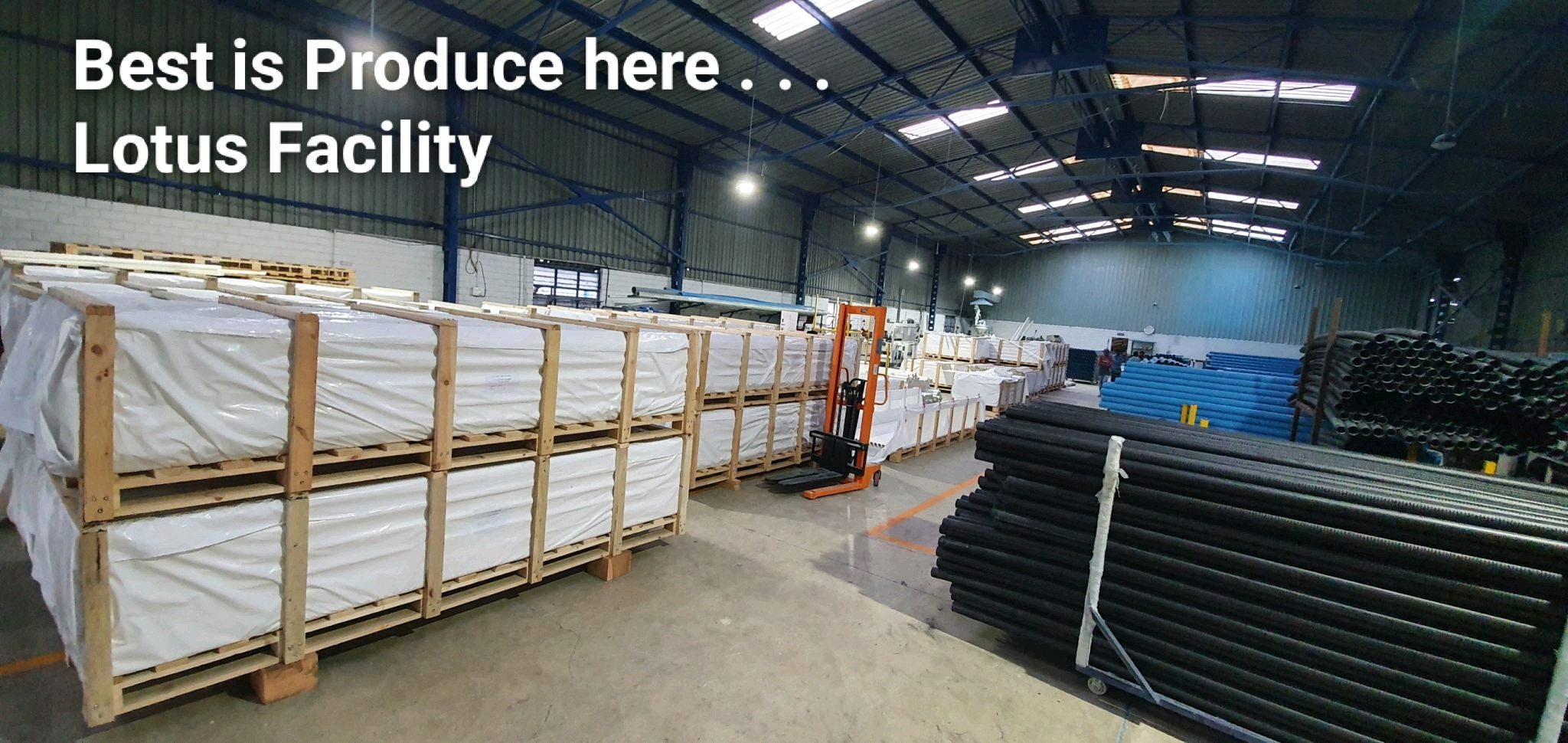 Lotus factory stock
Align floor-wise quantities, routes and fittings before installation.
Explore range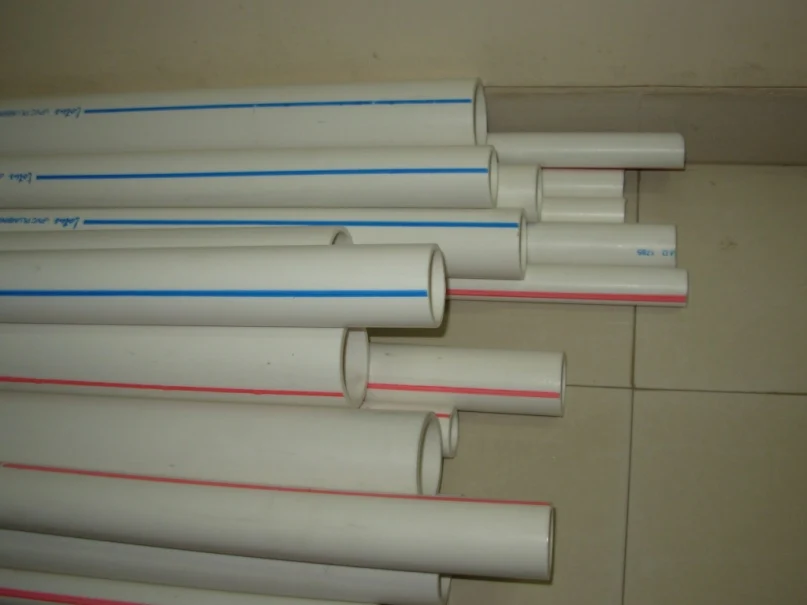 Lotus plumbing pipes
Clarify the service, size schedule and joints before walls are closed.
Explore range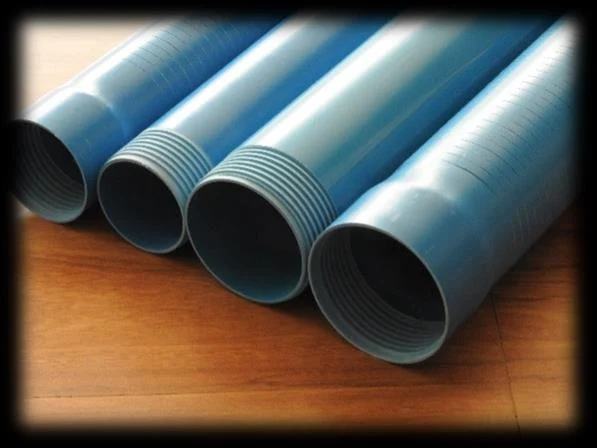 Lotus PVC well casing
Clarify application, outside diameter, lengths and joints with your driller.
Explore range